Episode One Forever: The Creators Who Hooked You and Then Vanished Into the Algorithm
Somewhere on your phone right now — buried in a playlist you made with genuine enthusiasm — there is a video titled something like My Toxic Situationship FULL STORY (Part 1 of ???). You watched it. You commented "PART 2 NOW" along with approximately 47,000 other people. You maybe even followed the creator specifically so you wouldn't miss the next installment.
That was fourteen months ago.
Part Two is not coming. Part Two was never coming. Part Two exists in the same dimension as your gym membership goals and the second season of that Netflix show you loved — which is to say, it exists only as a vibe.
Welcome to the unfinished symphony of influencer storytelling, where the overture is spectacular, the audience is enormous, and the composer has already pivoted to selling supplements.
The Architecture of the Almost-Story
Here's how it usually goes. A creator — let's call them someone extremely relatable with good lighting — posts a video that opens with a hook so irresistible it could be studied in film school. "Okay so I need to tell you guys what happened. I can't believe I'm even sharing this. This is Part One."
The structure is deliberate. The cliffhanger is real. The comment section erupts. The algorithm, that ancient and capricious god, rewards the engagement. The creator gets 800,000 new followers overnight. Brands start sliding into their DMs. A podcast offer materializes from thin air.
And right there — right at the exact moment when the story should be getting good — the incentive to continue telling it quietly dissolves.
Because here's the thing nobody talks about: the audience showed up for the promise of a story, and the algorithm already got its dopamine hit. Part One performed. The creator got paid (or at least noticed). Part Two requires all the same effort with none of the novelty bump. It's just… work. Emotionally complicated, continuity-requiring, potentially legally sensitive work.
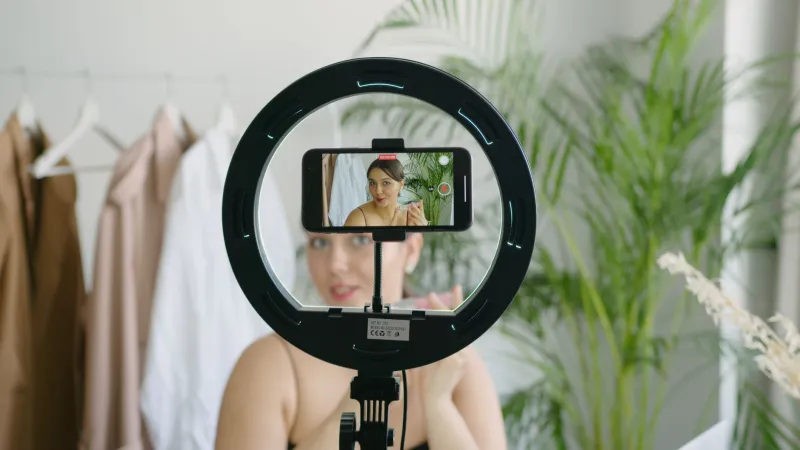
No thanks. Have you seen these new ring lights? Incredible.
The Taxonomy of the Abandoned Arc
Not all unfinished creator stories are abandoned for the same reason, and it's worth appreciating the full spectrum of ways audiences get left holding a narrative they didn't ask to care about.
The Pivot Ghost posts Part One, blows up, immediately reinvents as a lifestyle brand, and never directly addresses the cliffhanger again. If you bring it up in the comments, you get a vague "I've grown so much since then 🌱" and nothing else.
The Drama Escalator keeps promising Part Two but keeps adding context. "Before I post Part Two I need to explain some backstory" becomes its own multi-part series, and suddenly you're twelve videos deep into a prequel arc and no closer to finding out what actually happened at the bachelorette party.
The Legal Limbo Creator got a strongly worded message from someone mentioned in Part One and has been consulting with a guy who might be a lawyer ever since. Part Two is "almost ready." It has been almost ready since the last World Cup.
The Genuine Burnout actually wants to finish the story but is exhausted, overwhelmed, and dealing with real human stuff that the internet doesn't fully appreciate. This is the most sympathetic category and also the one that gets the least grace from the comment section.
What Happens to the Fans
The psychological contract of serialized content is older than TikTok. Humans are wired for narrative completion — there's actual neuroscience behind why unresolved stories bother us, something called the Zeigarnik effect, which basically means your brain keeps an open tab for every unfinished story until it gets closure.
Creators who build serialized audiences are essentially opening thousands of browser tabs in thousands of strangers' heads simultaneously. When they walk away, those tabs just… stay open. Quietly draining processing power. Surfacing at odd moments. Making you randomly think about some creator's situationship drama while you're waiting for your burrito at Chipotle.
The fan communities that form around these unfinished narratives are genuinely fascinating. There are Reddit threads dedicated to reconstructing what probably happened based on cryptic Instagram stories. There are Discord servers where dedicated followers have built elaborate fan theories about how the story was supposed to end. There are comment sections on completely unrelated videos where someone will show up years later just to type "but what happened next" into the void.
It's parasocial archaeology. People sifting through digital ruins trying to find the ending that was never built.
The 'Season Finale' That Wasn't
Special recognition must go to the creators who committed so hard to the serialized format that they actually used television language — seasons, episodes, finales — and then delivered the streaming equivalent of a show getting canceled after one episode with no resolution.
There is something almost artistically bold about announcing a "Season Two premiere date" to your followers and then simply not doing that. It's performance art. It's a commentary on the nature of content and expectation. It is also, if we're being honest, just kind of a bummer.
The audience, to their credit, usually holds on longer than they should. Because the thing about a good Part One is that it works. The hook was real. The storytelling was genuine. The investment was earned. Fans aren't delusional for wanting more — they were told there would be more. The whole premise was more.
The NoWebsiteYet of Content Creation
There's a reason this phenomenon feels so familiar to anyone who has ever clicked on a domain and found a placeholder page. Something was clearly planned here. Someone registered this space with intention. The architecture of a bigger thing is implied everywhere you look.
And yet: nothing. Just the suggestion of content. The ghost of a story that almost happened.
Influencer Part Ones are essentially the parked domains of storytelling — all the promise, none of the follow-through, and a vague sense that something was supposed to go here eventually. Maybe it still will. The creator's latest post did say they're "getting back to their roots" and have "so much to share."
Sure. We'll be here. Waiting in the comment section with our Zeigarnik tabs open, refreshing for a Part Two that the algorithm has already forgotten to want.
Something's coming. Just not yet. Possibly never. Almost definitely never.